Slab-on-grade foundations are common in Texas and can be affected by soil movement, moisture changes and drainage. Slab foundation repair deals with settlement, heaving and voids beneath the concrete.
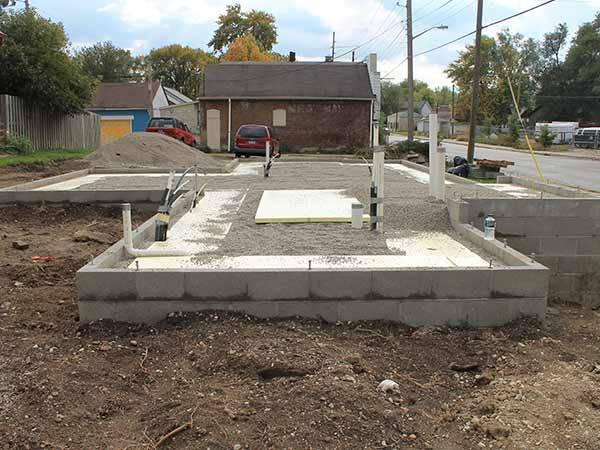
Signs that bring slab owners to call
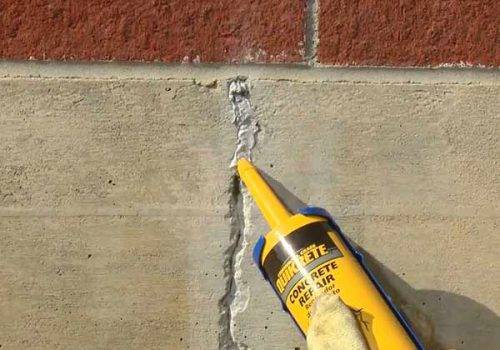
Small cracks are common in concrete, so a crack alone is not a diagnosis. What matters is whether the slab is moving.
- Cracks in the slab itself
- Cracks in interior walls or tile
- Doors and windows that no longer operate smoothly
- Cracks in driveways and patios
What we evaluate on a slab
We look for signs of settlement or heaving, check the cracking in the slab and in the walls and floors above it, and consider the soil, moisture and drainage around the home. Problem areas are photographed so we can walk you through them.
- Settlement: areas of the slab sitting lower than they should
- Heaving: areas pushed upward
- Voids beneath the concrete
Repair scope
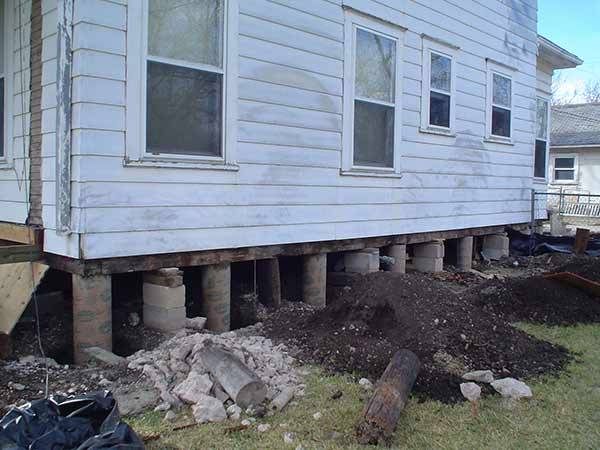
For slab-on-grade foundations we handle settlement, heaving and voids beneath the concrete, and we design a repair approach that stabilizes and supports the foundation. We can manage the entire slab foundation process or only the stages you need. The specific method is explained in your estimate.
Access, property protection and cleanup
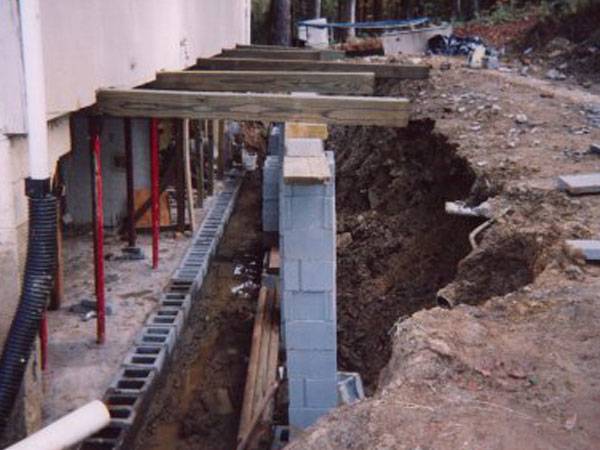
Slab repair means working around your home, so it is reasonable to ask these questions before a project is scheduled. We are glad to go through them with you during the evaluation.
- Where will crews need to work, and how will they reach the slab?
- How will landscaping, driveways and nearby surfaces be protected?
- What cleanup is done when the work is finished?
- Does anything need to be moved before work starts?